

Finding the right methylene blue dosage means knowing its safety limits. The highest safe dosage is usually 1 to 2 mg/kg. Taking more than 7 mg/kg can cause serious side effects. These include feeling sick, confusion, shaking, and blood problems like anemia.
Research shows that methylene blue may help septic shock patients. It could lower death rates and shorten hospital stays. However, the right methylene blue dosage is important to avoid risks.
Always talk to a doctor before using methylene blue. Your health needs can change how safe it is for you.
Key Takeaways
-
A safe amount of methylene blue is 1 to 2 mg/kg. Taking over 7 mg/kg can cause harmful side effects.
-
Small amounts (0.5 to 4 mg) may boost brain power and energy. Larger amounts won’t give extra benefits.
-
Always talk to a doctor before using methylene blue. Your health and medicines can change the right amount for you.
-
Watch how your body reacts to methylene blue. Wrong doses can cause confusion, feeling sick, or a fast heartbeat.
-
Visit your doctor often to use methylene blue safely. They can change your dose based on your health and how you feel.
Understanding Methylene Blue Dosing
What is Methylene Blue
Methylene blue is a man-made chemical used in medicine. At first, it was a dye, but later it helped treat health problems. Its full chemical name is long and complex, but it’s often just called methylene blue. This compound helps your body use oxygen better and make energy. It also protects your cells from harm because it works as an antioxidant.
Doctors use methylene blue to treat methemoglobinemia. This is a condition where blood can’t carry oxygen well. It’s also used during surgeries to find certain glands and sometimes for vasoplegic syndrome. Methylene blue stays in your body for about 24 hours before it’s broken down and removed. Knowing how it works shows why using the right amount is important for safety.

Low vs. High Methylene Blue Dosage
The amount of methylene blue you take changes its effects. Small doses, like 0.5 to 4 mg daily, can help your brain and cell energy. Research shows these doses improve thinking and energy in cells. Larger doses, like 75 to 125 mg daily, don’t work better than smaller ones. Even doses as high as 200 mg daily didn’t help in studies.
For certain illnesses, the dose matters. For Alzheimer’s disease, doses between 8 and 16 mg daily may help. Higher doses don’t seem to work better. This shows why following the right dose is key. Taking too much can cause problems without helping your health.
|
Dosage (mg/day) |
Effects |
|---|---|
|
0.5 - 4 |
Helps brain and cell energy |
|
75 - 125 |
No extra benefits compared to smaller doses |
|
8 - 16 |
May help mild Alzheimer’s symptoms |
|
200 |
No benefits, but 8 mg helped brain health |
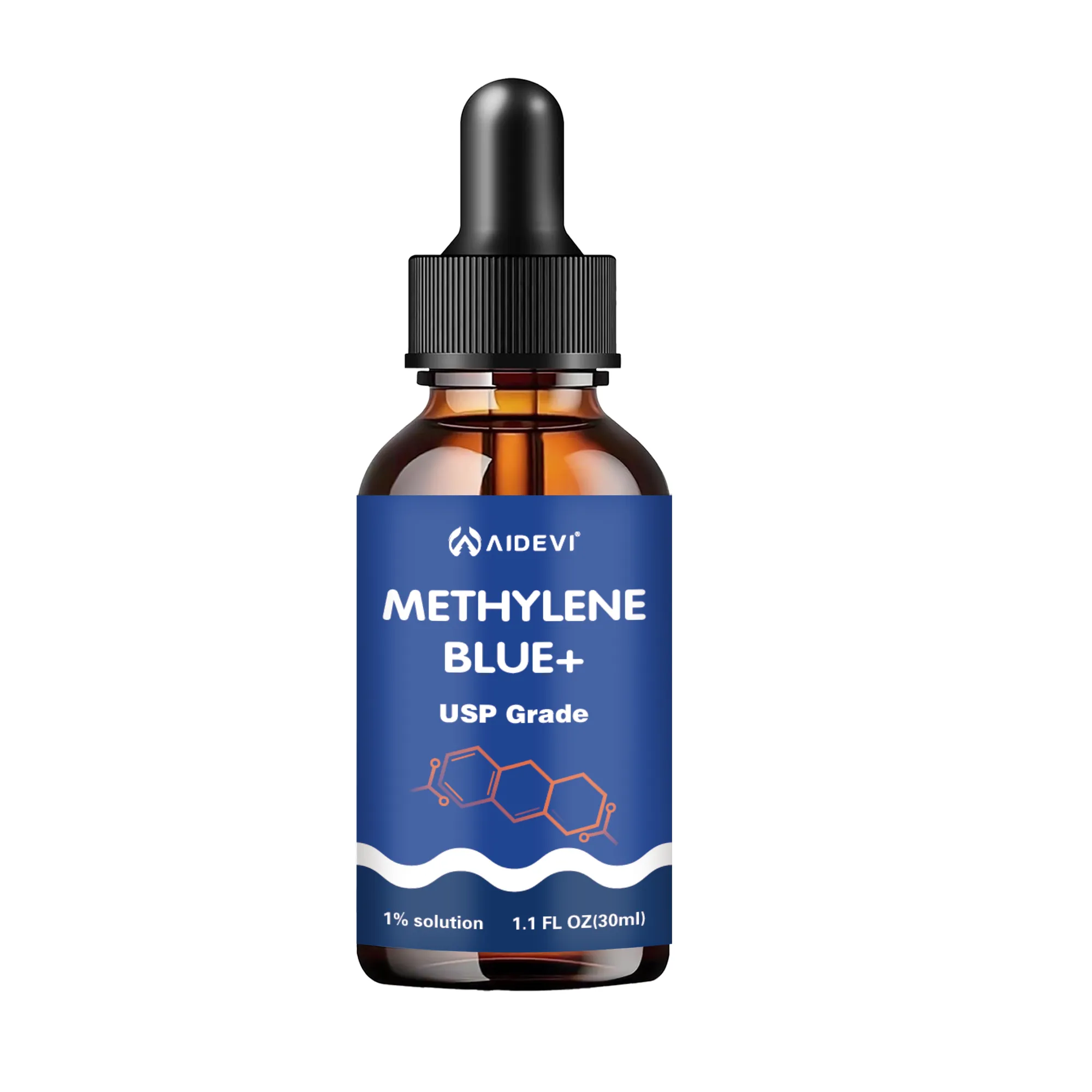 |
Helps Your Brain Work Betterhelp mild Alzheimer’s symptoms |
 |
General Dosing Guidelines for Methylene Blue
How much methylene blue you need depends on your condition. For methemoglobinemia, adults usually get 1 mg/kg through an IV over 5 to 30 minutes. For vasoplegic syndrome, doctors may give 2 mg/kg through an IV over 20 minutes. Kids usually get less, around 0.3 to 1 mg/kg slowly over 3 to 5 minutes. If you have kidney or liver problems, your doctor might lower the dose to keep you safe.
|
Condition |
Adult Dose |
Kid Dose |
|---|---|---|
|
Methemoglobinemia |
0.3 to 1 mg/kg IV, given slowly |
|
|
Vasoplegic syndrome |
2 mg/kg IV over 20 minutes |
Max single dose: 50 mg |
|
Parathyroid gland identification |
5 mg/mL IV before surgery |
N/A |
|
Kidney problems |
Lower dose if needed |
N/A |
|
Liver problems |
Cut dose by half |
N/A |
Methylene blue is usually given through an IV for quick results. Sometimes, it’s taken by mouth for special cases. Always follow your doctor’s advice and check a dosage chart to make sure you’re taking the right amount.
Factors That Affect Dosage
Health Conditions That Change Dosage
Heart Problems
Your heart health affects how methylene blue works for you. If you have heart issues, your body may react differently to this medicine. High doses can change blood pressure, so doctors adjust it for safety. People with vasoplegic syndrome often need special dosing. Watching your heart during treatment helps avoid problems. Always tell your doctor about heart conditions before starting methylene blue.
Liver Health
Your liver breaks down methylene blue and removes it. If your liver doesn’t work well, the medicine can build up and cause harm. Doctors usually lower the dose for people with liver issues. For example, they might cut it in half to prevent side effects like nausea or confusion. Regular liver tests help find the safest dose for you.
Kidney Health
Your kidneys remove methylene blue from your body. If your kidneys don’t work well, the medicine can stay in your system too long. This can lead to harmful effects. Doctors often give smaller doses to people with kidney problems. Kids with kidney issues may need even less to stay safe. Talk to your doctor about your kidney health before using methylene blue.
Medicine Interactions
Depression Medicines
Some depression medicines don’t mix well with methylene blue. Drugs like DRIZALMA SPRINKLE, a duloxetine capsule, can be dangerous with methylene blue. This is because methylene blue has weak MAOI activity. Mixing it with SSRIs or MAOIs can cause serotonin syndrome. Symptoms include confusion, fast heartbeat, and stiff muscles. Doctors warn against these combinations. If you take antidepressants, ask your doctor before using methylene blue.
Blood Thinners
Blood thinners can also interact with methylene blue. These interactions are rare but can still be risky. Methylene blue might change how blood thinners work, causing clots or bleeding. Doctors check your medicines to avoid problems. Always share your medication list with your doctor for safe dosing.
Other Medicines
Other drugs, like trazodone, can raise the risk of serotonin syndrome with methylene blue. High doses, over 250 mg, make this risk worse. Low doses, between 0.5 and 4 mg/kg, are usually safer. Your doctor will review your medicines to lower risks and find the best dose.
Age and Weight Effects
Dosing for Kids
Kids need special doses because they are smaller and still growing. Their methylene blue dose is usually 0.3 to 1 mg/kg, given slowly to avoid harm. Doctors calculate the dose based on weight and age. If your child needs methylene blue, ask the doctor about the right dose and possible allergies.
Dosing for Older Adults
Older people process methylene blue slower due to aging organs. They may need smaller doses to avoid side effects like dizziness or confusion. Doctors check for conditions like liver or kidney problems before deciding the dose. Regular check-ups help keep treatment safe and effective for older adults.
Genetic Factors
Enzyme Differences
Your body uses enzymes to process methylene blue. These enzymes break it down and remove it. Some people have genes that change how these enzymes work. If your enzymes are slow, methylene blue stays in your body longer. This can cause side effects like feeling sick or confused. If your enzymes are fast, the medicine leaves your body too quickly. This makes it less helpful. A genetic test can show how your enzymes work. This helps your doctor choose the right dose for you.
Metabolism Changes
Your metabolism affects how methylene blue works in your body. Some people process medicine faster or slower because of their genes. Slow metabolism keeps methylene blue in your blood longer. This raises the chance of side effects. Fast metabolism clears it too quickly, making it less effective. These changes are often linked to liver enzymes. If you think your metabolism affects methylene blue, tell your doctor. They can adjust your dose to match your metabolism.
Environmental Factors
High Altitude
Where you live or travel can change methylene blue’s effects. High places have less oxygen in the air. Methylene blue helps your body use oxygen better in these areas. But your dose might need to change for low oxygen levels. If you go to high altitudes, talk to your doctor. They can give you a safe dose to help you feel better.
Temperature Changes
Hot or cold weather can change how methylene blue works. In hot weather, your body processes it faster, making it less effective. In cold weather, your body slows down, which can cause side effects. If you notice changes in how you feel, tell your doctor. They can adjust your dose to keep it safe and helpful.
How to Monitor and Adjust Your Dose
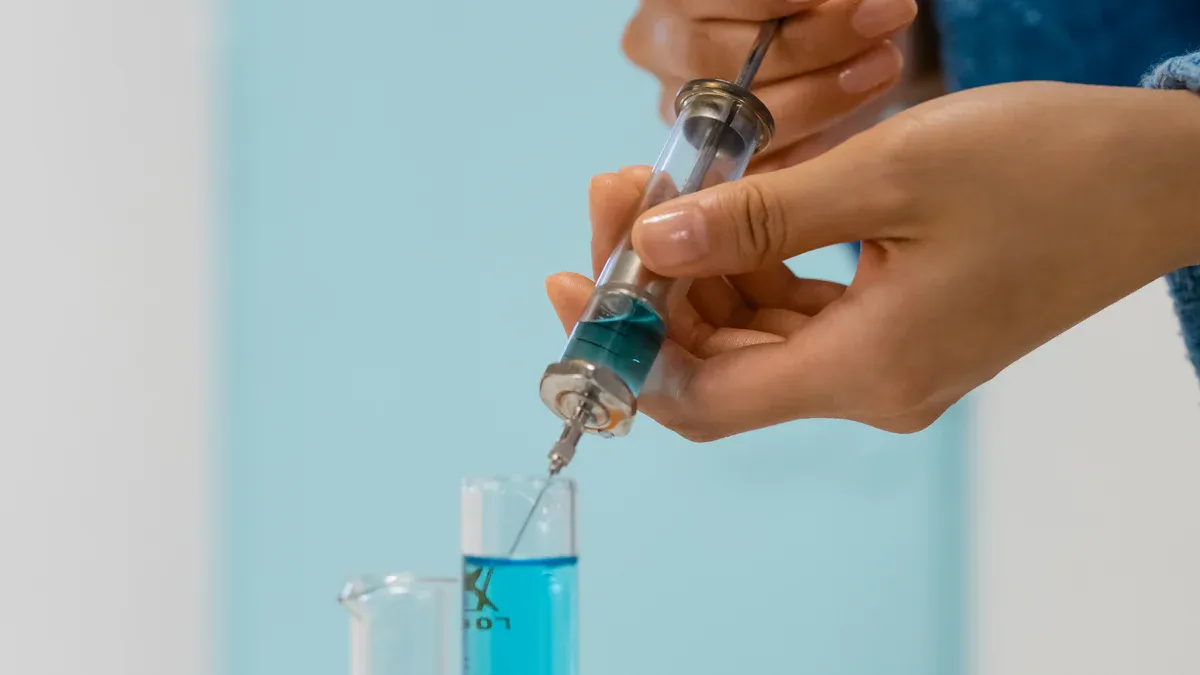
Recognizing Signs of Incorrect Methylene Blue Dosing
It’s important to watch how your body reacts to methylene blue. Look for signs that your dose might be wrong. These include feeling confused, upset, or having shaky muscles. You might also feel sick to your stomach or throw up. Check your heart rate and ECG for any unusual changes. Blood tests can show if your methemoglobin levels are too high. If you feel very hot or your heart races, it could be serotonin syndrome. Get medical help right away if this happens. Tests for your kidneys and liver are also important. These organs process and remove methylene blue from your body. Regular check-ups can help prevent problems and keep the treatment working well.
Practical Tips for Safe Dose Adjustments
Changing your methylene blue dose needs careful planning. Always talk to your doctor first. If you feel dizzy or sick, your doctor might lower your dose. For some conditions, like vasoplegic shock, starting methylene blue early can help. It may reduce the need for other strong medicines and lower surgery risks. Watch how your body reacts when your dose changes. If you go to high places or face extreme weather, tell your doctor. These things might mean you need a different dose. Never change your dose on your own. Doing so could cause serious problems like serotonin syndrome.
Consulting Healthcare Providers for Dosing Guidelines
Doctors help decide the best methylene blue dose for you. They look at your health, medicines, and history to make a safe plan. If you take antidepressants or blood thinners, they’ll check for risks. They’ll also watch your heart and vital signs during treatment. If you notice an allergic reaction or serotonin syndrome signs, call a doctor fast. Methylene blue has serious warnings, so regular doctor visits are key. Follow their advice to stay safe and get the best results from your treatment.
Finding the right methylene blue dose is very important. Safe doses are usually between 1 to 2 mg/kg. Your personal needs may change this amount. Health issues, medicines, and genes can affect how it works. Watch how your body reacts to the treatment. If you feel strange or unwell, tell your doctor right away. They can help you use methylene blue safely. Regular doctor visits help you stay safe and get good results.
|
Helps Your Brain Work Betterhelp mild Alzheimer’s symptoms |
|
FAQ
What’s the safest way to start methylene blue?
Talk to your doctor before using methylene blue. They’ll check your health and medicines for safety. Follow their advice to avoid side effects.
Can methylene blue mix with over-the-counter drugs?
Yes, it can. Some cold medicines might not work well with it. Always tell your doctor about all the medicines you take.
How long does methylene blue stay in your body?
It stays in your body for about 24 hours. This time can change if your liver or kidneys don’t work well. Your doctor might adjust your dose if needed.
Is methylene blue safe for kids?
Yes, but kids need smaller doses based on their weight. Doctors usually give 0.3 to 1 mg/kg to keep it safe. Always ask a pediatrician before giving it to a child.
What if you forget to take methylene blue?
Take it when you remember, but skip it if it’s close to the next dose. Never take two doses at once to make up for a missed one.